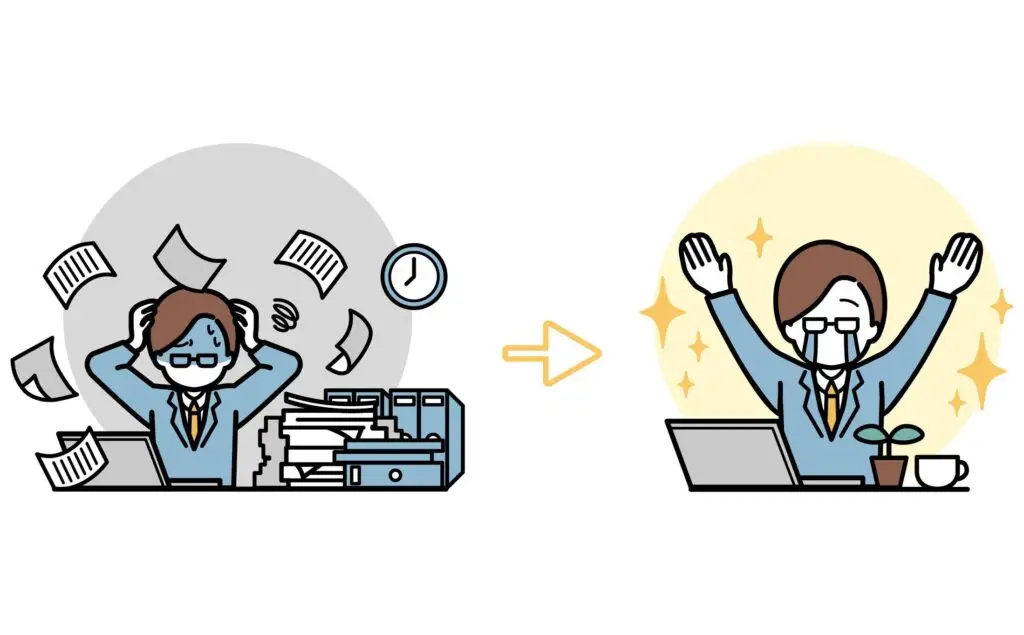
The Current HR Issue: Employee Burnout in Compliance-Driven Organizations
Why HR Burnout Is Becoming a Compliance Risk in India
In many Indian organizations—especially manufacturing units, MSMEs, and compliance-heavy sectors—HR teams are operating under constant statutory pressure.
Between:
- Payroll deadlines
- PF & ESIC filings
- Labour inspections
- Factory compliance registers
- Grievance handling
- Recruitment targets
HR departments are stretched thin.
While most organizations focus on employee burnout at operational levels, very few recognize that HR burnout itself can become a statutory and governance risk.
This case study from a growing manufacturing unit illustrates how ignoring burnout nearly resulted in compliance exposure—and how structured HR intervention reversed the damage.
The Current HR Issue: Burnout in a High-Compliance Manufacturing Environment
A mid-sized manufacturing company (approx. 850 employees) operating under the Factories Act and state labour regulations expanded production by 40% within one year.
However, while production capacity increased, HR capacity did not.
The HR Team Structure:
- 1 HR Manager
- 1 Payroll Executive
- 1 Compliance Executive
- 1 Recruitment Coordinator
Responsibilities included:
- Payroll for 850 employees
- PF, ESIC & PT compliance
- Maintenance of statutory registers
- Shift manpower planning
- Handling disciplinary cases
- Audit coordination
Within 6 months, early warning signs appeared.
The Real-World Scenario: Warning Signals That Were Ignored
1. Rising Payroll Errors
Minor calculation discrepancies began increasing. Nothing major—but unusual.
2. Increased Sick Leave in HR Team
Two HR members started taking frequent leave citing fatigue.
3. Delayed Compliance Filings
One ESIC filing was submitted close to the deadline.
4. Exit Feedback from Workers
Workers mentioned:
“HR team is always rushed.”
“We don’t get clarity on leave balances.”
5. Emotional Exhaustion
Internal review revealed that the HR team was working late during every audit cycle.
Yet management believed:
“HR pressure is normal in expansion phase.”
Three months later, the compliance executive resigned just before a labour inspection.
That became the turning point.
Root Cause Analysis: What Actually Went Wrong?
A structured internal audit revealed five systemic issues:
1. No Workforce Planning for HR
Production increased by 40%, but HR headcount remained unchanged.
2. Manual Compliance Tracking
Despite having HR software, compliance reminders were maintained in Excel.
3. Lack of Role Clarity
Payroll executive was also managing statutory registers.
4. No Escalation Framework
Every request from operations was marked “urgent.”
5. No Recognition or Recovery Mechanism
Audit weeks had no compensatory off or appreciation.
The burnout was not emotional fragility—it was structural overload.
Strategic HR Interventions Implemented
The organization adopted a structured 5-step corrective approach.
1. Compliance Calendar & Capacity Mapping
A detailed statutory compliance calendar was created covering:
- PF deadlines
- ESIC filings
- Professional Tax returns
- Factory inspection schedules
- Annual returns
Each task was mapped against:
- Estimated hours required
- Assigned owner
- Backup support
Impact: Workload visibility improved. Overlapping deadlines were identified in advance.
2. Role Redesign & Task Segregation
Responsibilities were redistributed:
- Payroll strictly separated from statutory documentation
- Recruitment coordination shifted to plant admin support
- One junior compliance assistant hired
Impact: 30% reduction in overtime within 90 days.
3. Automation Optimization
The existing HRMS was underutilized.
Actions taken:
- Automated leave balance tracking
- System-generated compliance reminders
- Payroll validation workflows
- Employee self-service activation
Impact:
- Payroll errors reduced by 65%
- Query handling time reduced significantly
Burnout reduced because repetitive tasks reduced.
4. Priority Classification Framework
Requests were categorized into:
- Statutory Critical (Legal deadlines)
- Operational Important
- Developmental / Improvement Projects
Plant heads were educated on compliance risks of last-minute requests.
This cultural shift reduced unnecessary pressure.
5. HR Team Wellbeing Measures
Practical measures implemented:
- Comp-off after inspection weeks
- Quarterly recognition for “Zero Non-Compliance Quarter”
- Monthly one-on-one review with leadership
- Anonymous workload feedback channel
The simple act of acknowledgment changed morale.
Measurable Results After 8 Months
| Parameter | Before | After |
|---|---|---|
| Payroll Error Incidents | Increasing trend | 65% reduction |
| HR Overtime Hours | Frequent | Reduced by 30% |
| Compliance Delays | 1 near-miss | Zero |
| Engagement Score (HR Team) | 58% | 84% |
| HR Attrition | 1 resignation | Zero |
Most importantly, the organization passed two inspections without major observations.
Burnout was addressed—not by motivation speeches—but by system correction.
Lessons for HR Leaders in India
If you are leading HR in a compliance-driven organization, consider these realities:
- HR burnout directly impacts statutory accuracy.
- Growth without HR capacity planning creates legal risk.
- Automation without proper utilization increases stress.
- Lack of role clarity leads to accountability confusion.
- Recognition is not luxury—it is retention strategy.
HR governance is not just policy documentation—it is sustainable operational design.
A Practical Self-Assessment Checklist for Organizations
Ask yourself:
✔ Has HR headcount increased proportionately with workforce expansion?
✔ Is there a documented statutory compliance calendar?
✔ Are payroll and compliance roles clearly segregated?
✔ Are audit weeks followed by recovery time?
✔ Is HR workload reviewed quarterly?
If three or more answers are “No,” burnout risk is likely present.
Conclusion: Sustainable HR Is the Foundation of Compliance Stability
Employee burnout in HR teams is not a soft issue—it is a compliance vulnerability.
In India’s regulatory environment, where labour inspections, digital filings, and governance expectations are increasing, HR capacity must be treated as a strategic asset.
The key takeaway from this case study:
- Systems reduce burnout more effectively than motivation.
- Governance clarity reduces stress.
- Capacity planning protects compliance.
- Recognition sustains performance.
For organizations operating under the Factories Act, Shops & Establishment regulations, and statutory payroll frameworks, strengthening HR structure is not optional—it is essential.
At HRPolicyHub, we believe that structured HR systems create sustainable workplaces. Burnout prevention begins not with wellness posters—but with intelligent policy design and workload architecture.
Frequently Asked Questions on Employee Burnout in Compliance-Driven Organizations
What causes employee burnout in compliance-driven organizations?
Employee burnout in compliance-driven organizations is usually caused by workload imbalance, statutory deadlines, payroll pressure, and lack of process automation.
Why is burnout a compliance risk?
Burnout increases the chances of payroll errors, delayed filings, and statutory documentation mistakes.
How can HR leaders prevent burnout in compliance-heavy workplaces?
By implementing compliance calendars, workload mapping, automation tools, and structured recovery systems.
Leave a Reply